Navigating Brand Identity Through Environmental Design
263 Views
Read Time:5 Minute, 48 Second
Brand identity is no longer something confined to logos, business cards and websites. For many organisations, especially those operating physical locations, brand identity now extends to the spaces people occupy. Offices, storefronts, campuses and even industrial facilities all contribute to how a brand is perceived.
Environmental design is the process of shaping spaces with intention. It brings together architecture, interior design and visual elements to create a physical experience that reflects what a business stands for. This experience can influence customers, employees, partners and even passers-by. When done well, it reinforces trust, clarity and connection.
The Space as a Silent Messenger
Every business space sends a message. Whether or not it was designed deliberately, the environment communicates something to those who enter it. A well-maintained reception area with comfortable seating and natural light sends a very different message from a cluttered, dimly lit lobby with no clear point of contact.
These messages matter. They shape how people feel about the organisation before any conversation takes place. The environment acts as a silent introduction, setting the tone for the interaction that follows.
Brand-aligned environmental design ensures that this message supports the organisation’s values and mission. It provides consistency between what a business says and how it shows up in the real world.
Aligning Space with Strategy
Effective brand expression starts with clarity. What does the business want to be known for? What emotions should people feel when they enter its spaces? What behaviours should the environment support?
A company that values collaboration might favour open floor plans, writable walls and shared spaces. One that prioritises confidentiality may opt for enclosed offices, sound-absorbing materials and private meeting rooms. The choices reflect what the business stands for and how it operates.
These strategic decisions help shape the identity of the brand beyond marketing campaigns. They ground it in real, observable experiences.
Read More: Construction Loans: Everything You Need to Know to Finance Your Dream Home
Consistency Across Touchpoints
Customers and stakeholders interact with brands across many channels. Websites, social media and printed materials all play a part. But the physical space remains one of the most impactful and memorable brand touchpoints.
A visitor walking into a business location should feel the same tone they encountered online. This sense of continuity builds trust and recognition. Colours, textures, messaging and layout all contribute to this consistency. It is not about copying digital designs into physical space, but rather translating the core of the brand into an environment.
Brand guidelines can inform these decisions, but real impact comes from how these elements are experienced in context. A colour may look one way on screen, but completely different under office lighting. Environmental design helps adjust and adapt brand assets to work in the physical world.
Supporting Behaviour Through Design
Environmental design is not just visual. It also shapes how people behave. Layouts influence movement, lighting affects concentration and sound management supports communication.
A brand that values innovation might want to encourage informal conversations and idea sharing. That could mean comfortable breakout areas, flexible seating and transparent meeting spaces. A brand built around precision and accuracy might favour more structured spaces with clear zones and defined purposes.
These decisions influence not only how spaces look, but how they function. They help the space support the brand through everyday actions.
Telling a Story Without Saying a Word
Physical spaces can also be used to tell stories. Materials, historical references, and artwork can all reflect a brand’s heritage or mission. A manufacturer might include imagery of its production process. A family-run firm could display historical milestones or client testimonials as part of the decor.
These story elements do not have to dominate the space. Subtle references often have more impact than overt displays. The key is relevance. Each design choice should tie back to something meaningful about the brand.
Visitors should walk away with a sense of what the company stands for and how it expresses those values in tangible ways.
Employee Experience and Brand Alignment
Brand identity is not just for customers. Employees engage with the brand daily, and the work environment can reinforce or contradict the company’s internal culture.
If a company talks about innovation but provides a rigid, outdated office layout, the message falls flat. On the other hand, if the space is adaptable, encouraging exploration and communication, the brand story becomes part of the everyday experience.
Employees who feel that the workplace reflects their values are more likely to feel engaged and loyal. The environment becomes part of the internal culture, not just a backdrop.
Read More: Pest Control in Groveland: 10 Traits of Professional Services
Accessibility and Inclusion in Brand Spaces
Inclusivity is now a vital part of brand identity. Businesses are expected to create spaces that are not only functional but accessible to everyone. This includes considerations for mobility, vision and hearing impairments as well as neurodiverse needs.
Accessible design elements such as ramps, high-contrast signage, intuitive layouts and quiet zones show that a business values all users of its space. These choices are not only practical. They are part of the brand’s message.
In some cases, thoughtful signage plays a role in both navigation and communication. Accessible, attractive and consistent signage solutions can support wayfinding while subtly reflecting brand tone and professionalism.
Flexibility for the Future
Brands evolve, and so should the spaces they occupy. Environmental design can support this by incorporating flexible elements. Modular furniture, movable walls and dynamic lighting allow spaces to shift with changing business needs.
This flexibility helps the brand remain consistent even as it grows or adapts. It prevents the need for complete redesigns while still keeping the space aligned with evolving strategy.
Spaces that can adapt quickly also signal resilience and responsiveness, which are valuable traits in a brand identity.
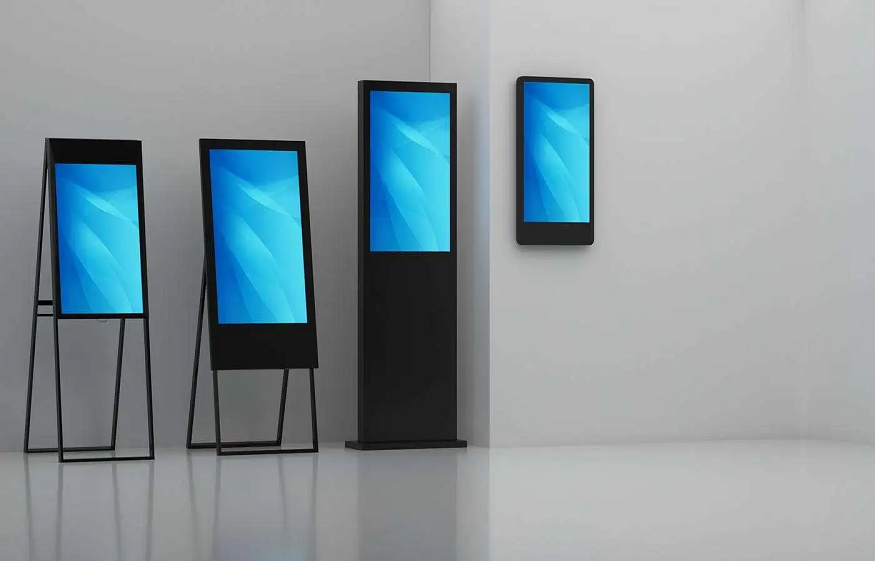
For wider commercial, hospitality, or public-facing projects, small supporting details can make the finished space feel more complete. Composite decking can provide a durable, low-maintenance surface for terraces, entrances, outdoor seating areas, and customer-facing spaces; while hand dryers can support cleaner, more efficient washroom facilities; while traditional signage can add character, direction, and brand presence; while digital signage can share changing information, promotions, menus, or wayfinding updates clearly.
Final Thoughts
Environmental design is more than architecture or decoration. It is a way for businesses to make their brand real and relatable. Through deliberate choices in space, materials, layout and visual messaging, companies can shape how people perceive and engage with their identity.
A cohesive brand presence is not limited to advertising or digital channels. It lives in every hallway, meeting room, reception desk and open-plan floor. Whether welcoming a new client, hosting a team meeting or helping a visitor find their way, the environment plays a role in how the brand is understood and remembered.
When businesses align space with brand identity, they do more than fill a building. They create a place that speaks.


Happy
0 %

Sad
0 %

Excited
0 %

Sleepy
0 %

Angry
0 %

Surprise
0 %
 0
0
 0
0


Average Rating