
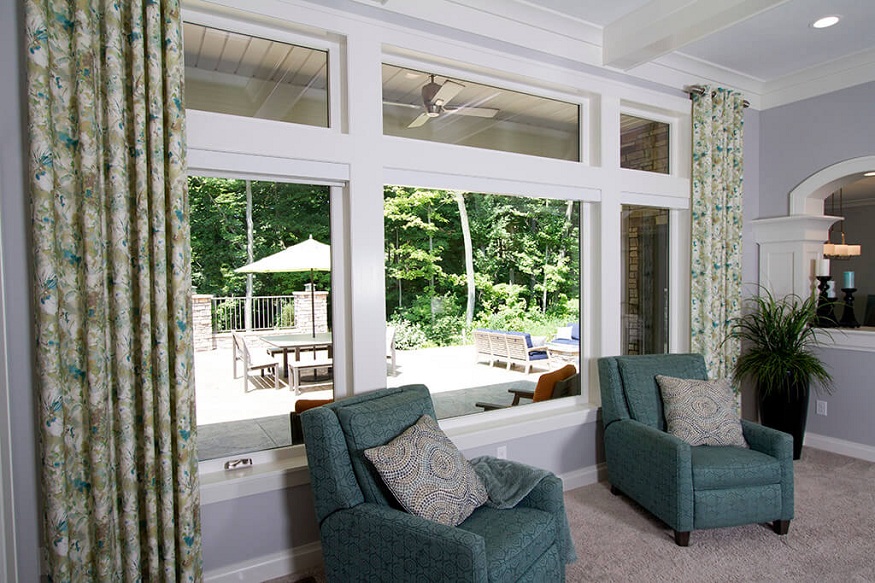
Window Replacement in Frederick, MD: Shifting Perspectives on Home Efficiency
7 Views
Read Time:4 Minute, 49 Second
Many homeowners assume that replacing windows is a task best reserved for when a glass pane breaks or a frame physically collapses. This perspective often leads to a “repair-only” mindset, where the cumulative, invisible costs of outdated windows are overlooked in favor of immediate, visible damage. In reality, the most compelling reasons to consider window replacement in Frederick, MD often involve issues that have nothing to do with broken glass, but everything to do with how a home manages energy, light, and comfort over time.
Why Aesthetic and Functional Decline Can Be Deceptive
The assumption that windows only need attention when they stop functioning is common, but it misses how these structural components interact with the surrounding home environment. Over time, all building materials experience wear. Sealing materials around a window frame may harden or pull away, leading to microscopic gaps that allow air infiltration. Similarly, moving parts like balance systems or hinges can lose their precision, making a window difficult to operate or prone to staying slightly open without the homeowner noticing.
For residents in this area, seasonal changes often expose these underlying issues. When the weather fluctuates between high humidity and dry, cold periods, wooden and vinyl frames may expand and contract at different rates. This movement can eventually compromise the seal between the window and the wall, leading to subtle drafts that increase the demand on a home’s climate control system. While these drafts are often dismissed as a normal part of living in an older home, they are typically indicators that the window system’s effectiveness has diminished.
Read More: Top 10 Advantages of Using HDPE Pipes and Fittings in Water Supply Systems
What Actually Matters: Thermal Performance and Long-Term Value
Rather than focusing solely on whether a window opens and closes, it is more useful to evaluate how a window assembly contributes to the overall thermal efficiency of a house. Modern windows are engineered with a focus on mitigating heat transfer, which is the mechanism by which your home loses conditioned air in the winter and gains unwanted heat in the summer.
When thinking about windows in Frederick, MD, homeowners should consider the following factors:
- Thermal Resistance: This refers to how well the materials in the frame and the glazing system resist the transfer of heat. Newer materials tend to have higher resistance values than those commonly found in older housing stock.
- Air Leakage Rates: This measures the amount of air passing through the assembly. Even a small reduction in air infiltration can have a noticeable effect on the consistency of the indoor temperature.
- Solar Heat Gain: The ability of a window to reflect or absorb solar energy can significantly influence the workload of an air conditioning system, especially for rooms that receive intense afternoon sun.
A thoughtful replacement strategy looks at these metrics to ensure that the new installation provides a meaningful improvement to the home’s comfort. The goal is to create a more stable indoor environment, which can often lead to a reduction in the energy required to heat or cool the living space.
Evaluating Professional Guidance in Practice
Distinguishing between a necessary upgrade and a premature expense requires a clear assessment of your current system. A helpful way to begin is by observing how your existing windows perform during extreme weather. Do you notice a significant temperature difference when standing near a window on a very cold day? Is there noticeable condensation forming between glass panes, which might indicate a failing seal? These are practical indicators that the window’s performance has likely fallen below its original design specifications.
When exploring your options, ask providers to explain how different window configurations might address your specific home’s orientation and current insulation. A professional should be able to provide details on how different types of glass coatings, frame materials, and installation methods can impact long-term performance. If a provider only focuses on the visual appeal of a new window without discussing the mechanical and thermal benefits, you may want to seek additional input to ensure you are making a decision based on the specific needs of your property.
Reframing the Decision-Making Process
It is helpful to stop viewing window replacement as a simple purchase of goods and start viewing it as a structural improvement to your home’s envelope. The decision should be guided by an analysis of the existing system’s performance and the potential benefits of newer technology.
Read More: Navigating Brand Identity Through Environmental Design
Instead of waiting for a total system failure, consider the following approach:
- Assess the current state: Are your existing windows showing signs of chronic condensation, air infiltration, or significant operational difficulty?
- Evaluate local considerations: Given the climate, would improvements in thermal resistance provide meaningful comfort throughout the year?
- Inquire about integration: How will the installation process ensure that the new windows work with the existing wall structure to provide a tight, energy-efficient seal?
The shift from reactive repair to proactive assessment is perhaps the most significant change a homeowner can make. By moving away from the assumption that windows are static, long-term items that never change, you open the door to a more informed approach that prioritizes home comfort, energy efficiency, and long-term asset management.
In the end, investing in window replacement in Frederick, MD is less about changing the look of a facade and more about enhancing the foundational systems that allow a home to function effectively. By focusing on the underlying mechanics of heat loss, air infiltration, and material longevity, you ensure that your investment pays dividends in the form of a more consistent and sustainable living environment. The most effective approach is one rooted in an understanding of your home’s unique requirements, rather than a desire for quick, purely aesthetic changes.


Happy
0 %

Sad
0 %

Excited
0 %

Sleepy
0 %

Angry
0 %

Surprise
0 %
 0
0
 0
0

Average Rating